
DIY Water Cleanup vs Professional Restoration: When to Call the Experts
Water damage is one of the most common problems homeowners face. A leaking appliance, overflowing sink, burst pipe, or roof leak can quickly introduce water into areas of the home that were never designed to handle moisture.
When water damage appears minor, many homeowners attempt to clean it up themselves. In some limited situations, do it yourself cleanup may work. However, understanding when DIY mitigation is appropriate and when professional restoration is needed can prevent costly long term damage to your home.
When DIY Water Cleanup May Be Appropriate
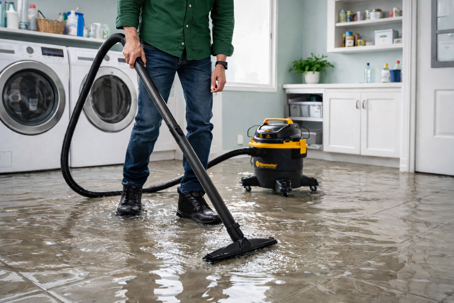
Small, contained water events that are addressed immediately may sometimes be handled using household tools. Many homeowners begin cleanup with equipment such as:
• Wet vacuums to remove standing water
• Household fans to increase air circulation
• Towels and mops to absorb surface water
• Portable dehumidifiers to reduce indoor humidity
These tools can help remove water from non porous surfaces such as tile, sealed concrete, or certain vinyl flooring.
The most important factor in any water cleanup situation is speed. Water mitigation must begin immediately following the influx of water. The longer water sits inside a building, the greater the chance that moisture will migrate into walls, insulation, flooring, and structural materials.
Once water enters porous materials, a simple DIY cleanup may not be enough.
Where Water Damage Often Hides
Even after the visible water is removed, moisture often remains hidden inside the structure of the home. Water can travel far beyond the original source of the damage and settle in areas that are not visible during a basic cleanup.
Common hidden locations include:
• Inside drywall and wall cavities
• Beneath hardwood, laminate, or vinyl flooring
• Within insulation behind walls and ceilings
• Beneath subflooring
• Behind baseboards and trim
• Inside ceiling cavities after roof leaks
These areas provide ideal conditions for mold growth because they are dark, damp, and poorly ventilated.
Black mold and other harmful molds thrive in these environments and can begin developing within 24 to 48 hours after water intrusion.
The Risks of Hidden Moisture
When water remains trapped inside structural materials, several problems can occur that are not immediately visible.
Examples include:
• Rapid mold growth that affects indoor air quality
• Structural weakening of wood framing and subflooring
• Rotting structural components
• Warping or buckling hardwood floors
• Persistent musty odors caused by microbial growth
• Contamination of insulation and drywall materials
• Potential respiratory irritation and health concerns for occupants
What may seem like a small water incident can quietly develop into a much larger structural and health problem if hidden moisture is not properly addressed.
How Professionals Detect Hidden Water Damage
Professional restoration companies use specialized equipment that can detect moisture behind walls and beneath flooring materials.
Single Source Disaster Recovery Specialists is certified by the Institute of Inspection Cleaning and Restoration Certification (IICRC) and follows the latest industry standards for water damage restoration.
Their technicians use advanced diagnostic equipment including:
• FLIR thermographic cameras that identify temperature variations caused by hidden moisture
• Professional moisture meters that measure water content inside building materials
• Hygrometers that track humidity and drying conditions
• Commercial grade air movers and dehumidifiers designed to remove moisture trapped inside structures
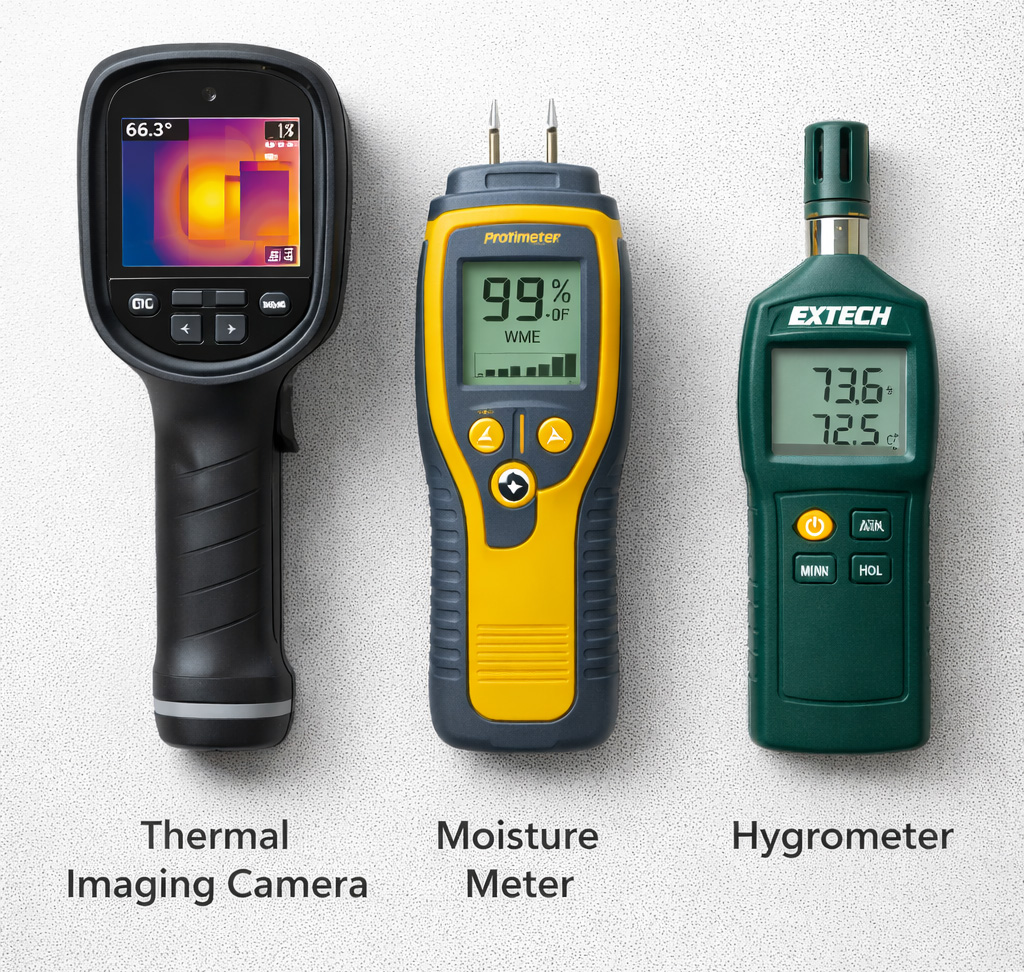
These tools allow trained technicians to identify hidden water intrusion that would otherwise go unnoticed during a DIY cleanup.
What Often Happens After DIY Cleanup
Restoration professionals frequently respond to situations where homeowners believed the problem had already been solved.
Surface water may have been removed using wet vacuums and fans, but moisture remained trapped inside walls, insulation, or flooring systems. By the time the issue becomes visible again, mold growth or structural deterioration may already be underway.
These hidden hazards can threaten both the health of occupants and the long term stability of the home.
Why Calling a Professional First Can Save Money
It is understandable that homeowners want to save money by attempting water cleanup themselves. However, undetected moisture often leads to far more expensive repairs later.
Professional mitigation teams are trained to evaluate the full extent of water intrusion, locate hidden moisture, and begin proper structural drying procedures immediately.
Addressing the damage correctly at the beginning often prevents secondary problems that require major reconstruction.
One Call From Cleanup to Full Property Damage Repair
Single Source Disaster Recovery Specialists offers property owners a major advantage by providing complete restoration services under one roof.
From emergency water extraction through full property repair and reconstruction, property owners only need to work with one contractor.
This "One Call Does It All" approach offers several benefits:
• Faster coordination between mitigation and repair teams
• Clear documentation of the restoration process
• Fewer delays caused by multiple contractors
• Reduced stress for homeowners managing a property loss
Single Source also works directly with homeowner insurance claims adjusters to help streamline the claims process. Proper documentation and communication with the adjuster helps ensure the claim moves forward smoothly.
For property owners, this means fewer headaches and a faster return to normal living conditions.
Knowing When to Call for Help
If water damage is very small and addressed immediately, DIY cleanup may sometimes be enough.
However, when water has entered walls, ceilings, insulation, flooring systems, or structural components, professional restoration services are the safest and most reliable solution.
Water damage never improves with time. The sooner the problem is evaluated by professionals with specialized equipment, the better the outcome.
When water damage strikes, one call to Single Source Disaster Recovery Specialists can bring experienced professionals to your property quickly to assess the situation and begin restoring your home.
Call Single Source Disaster Recovery Specialists at 401-274-4444 for fast response and expert restoration services.