
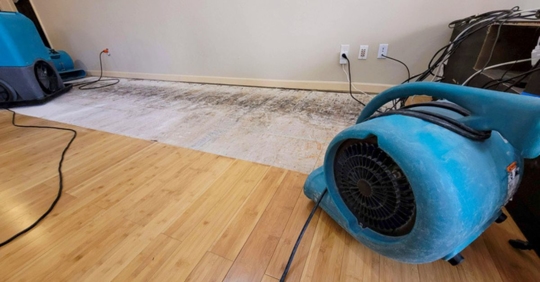
Water damage can strike suddenly, leaving homeowners and business owners alike grappling with the aftermath. While surface-level drying may seem sufficient, moisture often seeps deep into walls, floors, and structural materials. This hidden water can cause mold, weaken building integrity, and create long-term problems if not addressed properly. Structural drying is a comprehensive process designed to remove moisture thoroughly, restore safety, and prevent further damage.
Understanding Structural Drying
What Structural Drying Really Is
Structural drying is more than letting air circulate through a wet space. It is a precise, science-based method used to eliminate moisture from all areas of a building, including hidden cavities and dense materials. By addressing water damage at a structural level, this approach prevents mold growth, warping, and long-term deterioration that simple air drying cannot resolve.
Key aspects of structural drying include:
- Targeted moisture removal from walls, floors, and ceilings
- Use of advanced equipment such as air movers, dehumidifiers, and thermal imaging
- Monitoring and adjusting conditions to ensure complete drying
This method ensures that every layer of a property is treated, protecting both its physical structure and the health of its occupants.
The Core Components
Effective structural drying relies on three essential elements:
- Heat: Increases evaporation and accelerates the drying process.
- Airflow: High-powered air movers distribute warm, dry air to remove moisture evenly.
- Dehumidification: Specialized dehumidifiers extract water vapor from the air, preventing condensation and secondary damage.
Advanced tools like moisture meters and thermal imaging cameras help professionals track progress and identify hidden moisture, ensuring no areas are left untreated.
How Structural Drying Works
Inspection and Assessment
The first step in structural drying is a thorough evaluation of the affected areas. Professionals examine both visible and hidden water damage, using tools such as moisture meters and thermal imaging cameras. This allows them to detect moisture behind walls, under floors, or in other concealed spaces, ensuring a complete restoration plan.
During this phase, detailed documentation is created, which:
- Guides the drying strategy
- Determines which areas need focused attention
- Helps coordinate repairs and reconstruction
A careful assessment sets the stage for a targeted, effective drying process.
Drying Techniques
Structural drying techniques are adapted to different materials and levels of damage. Common methods include:
- Evaporation enhancement to speed up drying in wood or carpeted areas
- Controlled airflow to prevent damage to delicate surfaces
- Continuous monitoring to adjust temperature and humidity levels as needed
By closely monitoring moisture, specialists prevent secondary issues like mold growth, warping, or cracking, ensuring that the building is safe and fully restored.
Signs You May Need Structural Drying
Recognizing when to call in professionals can prevent costly repairs and health risks. Warning signs include:
- Lingering dampness or wet spots
- Musty or moldy odors
- Visible mold growth or discoloration on walls, ceilings, or floors
- Water exposure from floods, leaks, or burst pipes
Delaying structural drying increases risks such as mold proliferation, structural weakening, and more extensive repair costs.
Risks of Waiting Too Long
Moisture left untreated can cause:
- Mold and mildew, which can aggravate allergies and respiratory conditions
- Warping of wood and damage to drywall or insulation
- Long-term structural weakening that may affect the foundation or roof
Prompt intervention minimizes these risks and helps maintain a safe, habitable environment for occupants.
Choosing a Structural Drying Professional
Qualities to Look For
Selecting the right restoration team is crucial. Seek providers who are:
- Certified by recognized organizations such as the IICRC
- Experienced in handling various building materials
- Skilled with modern equipment and advanced drying methods
Experienced professionals ensure efficient, safe, and thorough drying.
Questions to Ask
When evaluating service providers, ask about:
- Their experience with similar water damage situations
- Specific equipment and techniques used
- Expected timeline for drying and restoration
- Estimates, warranties, and insurance guidance
This helps ensure that your property is in capable hands and the drying process is managed effectively.
Common Questions About Structural Drying
Misconceptions
Some property owners believe minor water damage does not require professional drying or that air drying is sufficient. In reality, hidden moisture can create serious problems over time. Professional structural drying addresses these issues, preventing long-term damage and mold growth.
Cost and Insurance Considerations
Costs vary based on the extent of damage and the techniques required. Many insurance policies cover water-related restoration, which can help offset expenses. Documenting the damage and restoration process supports smoother claims and ensures coverage for eligible services.
For More Information on Structural Drying, Contact Single Source Disaster Recovery Specialists
Structural drying is a critical step in protecting your property after water damage. By using advanced techniques and professional expertise, it ensures a thorough, safe, and lasting restoration. Engaging qualified specialists, like our pros at Single Source Disaster Recovery Specialists, for structural drying service helps safeguard both your investment and the health of everyone in the space, allowing a faster return to comfort and normalcy.
Call Single Source Disaster Recovery Specialists now at (401) 267-9461 or send us a message online.